Dreaming of a UK Business? Your Expat Guide to Legal Kick-Off!

So, you’ve got that entrepreneurial sparkle, a fantastic business idea, and your sights set on the bustling UK market? Brilliant! The UK is a fantastic place for ambitious expats to launch their ventures, but before you hang up your ‘Open for Business’ sign, there are a few legal hoops to jump through. Don’t worry, it’s not as daunting as it sounds, especially with a little guidance. Let’s break down the essential legal requirements to get your expat business off the ground in the United Kingdom.
Getting Started: The Expat Entrepreneur’s Checklist
Starting a business is exciting, but for expats, the first hurdle often involves immigration. This isn’t just about moving; it’s about your right to work and run a business in the UK. Get this right, and everything else flows much smoother.
1. Visa and Immigration Status: Your Golden Ticket
This is crucial. You need to ensure your immigration status allows you to run a business. Simply having a visa that lets you live in the UK isn’t always enough. Common visa routes for entrepreneurs include:
- Innovator Founder Visa: For experienced business people seeking to establish an innovative, scalable, and viable business.
- Global Talent Visa: If you’re a leader or potential leader in digital technology, arts and culture, or science and research.
- Spouse/Partner Visa: If your partner has a visa that allows you to work, you might be able to start a business.
Top Tip: Always check the latest UK immigration rules on the official government website or consult an immigration solicitor. Rules can change!

Choosing Your Business Structure: The Foundation of Your Venture
Once your visa is sorted, you’ll need to decide what kind of business you’ll be. This choice impacts everything from your liability to how you pay taxes.
2. Business Structures: Pick Your Perfect Fit
The UK offers several business structures, each with its own pros and cons:
- Sole Trader: The simplest structure. You are the business, personally responsible for all debts. Easy to set up, but offers no personal liability protection.
- Partnership: Two or more people share ownership. Partners are generally jointly and severally liable for the business’s debts.
- Limited Company (Ltd): This is a separate legal entity from its owners (shareholders). It offers limited liability, meaning your personal assets are usually protected if the business runs into debt. It’s more complex to set up and maintain but offers significant benefits for growth and attracting investment.
Why Limited Company is Popular: Many expats opt for a limited company due to the liability protection and the professional image it conveys. It also offers more flexibility for tax planning and raising capital.
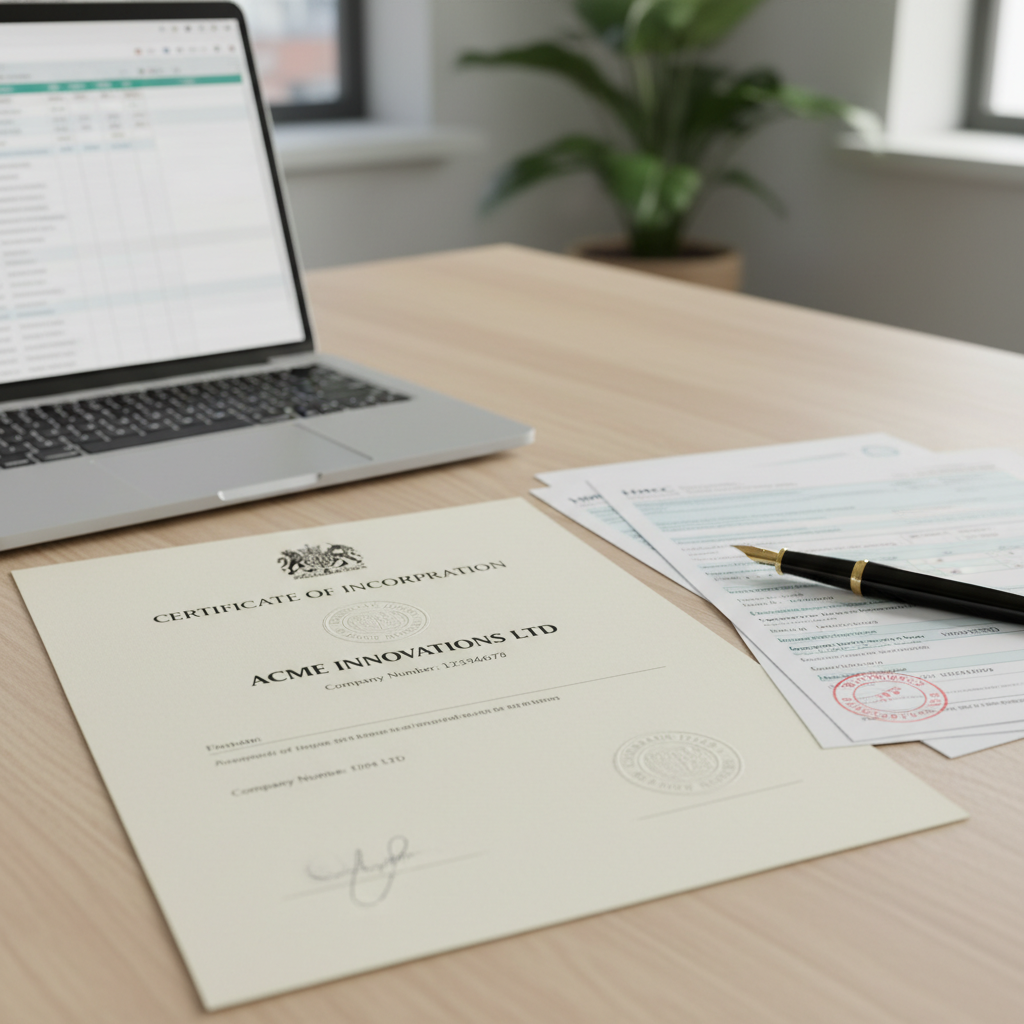
3. Registering Your Company: Making It Official
If you choose to set up a limited company, you’ll need to register it with Companies House. This is the UK’s registrar of companies. You’ll need:
- A unique company name.
- A registered office address in the UK (this can be a virtual office).
- At least one director (who must be a real person, not another company, and over 16).
- At least one shareholder.
- Memorandum and Articles of Association (these are standard documents you can often use templates for).
Sole traders and partnerships don’t need to register with Companies House, but they do need to register with HMRC (Her Majesty’s Revenue and Customs).
Tax, Banking, and Beyond: Essential Formalities
With your business structure defined, it’s time to tackle the practicalities that keep your business compliant and financially sound.
4. Tax Registration: Your Obligation to HMRC
No matter your business type, you’ll need to register with HMRC.
- Sole Traders & Partnerships: You must register for Self Assessment to pay Income Tax and National Insurance.
- Limited Companies: You’ll need to register for Corporation Tax. Depending on your business activities and turnover, you might also need to register for:
- * VAT (Value Added Tax): If your taxable turnover exceeds the VAT threshold (check current rates as this changes).
- * PAYE (Pay As You Earn): If you plan to hire employees (including yourself as a director taking a salary).
5. Business Bank Account: Keeping it Separate
While not strictly a ‘legal requirement’ in the same vein as company registration, opening a dedicated business bank account is absolutely essential. It keeps your personal and business finances separate, which is vital for:
- Easier accounting and tax reporting.
- Maintaining limited liability if you’re a company.
- Professionalism with clients and suppliers.
Many UK banks are experienced in assisting expats, but be prepared for identity checks and proof of address.
6. Licenses and Permits: Industry-Specific Rules
Depending on what your business does, you might need specific licenses or permits. This could be anything from food hygiene certificates for a restaurant to a license to play background music. Check with your local council and relevant industry bodies.
7. Data Protection (GDPR): Protecting Privacy
If you handle any personal data of individuals (customers, employees, suppliers), you must comply with the UK’s General Data Protection Regulation (GDPR). This includes:
- Registering with the Information Commissioner’s Office (ICO).
- Having clear privacy policies.
- Ensuring data is stored securely and processed lawfully.
8. Insurance: Protecting Your Investment
While some types of insurance are legally mandatory (like Employers’ Liability Insurance if you have employees), others are highly recommended for peace of mind and protection. Consider Public Liability, Professional Indemnity, and Business Contents insurance.
Don’t Go It Alone: Seek Professional Advice
Navigating the legal landscape can feel like a maze, especially in a new country. Don’t be shy about seeking professional help. Engaging a good:
- Solicitor: For immigration advice, company formation, and contract drafting.
- Accountant: For tax registration, payroll, bookkeeping, and financial planning.
…can save you a lot of headaches and ensure you’re compliant from day one. Many firms specialise in helping expats and international businesses.
Ready to Launch?
Starting a business in the UK as an expat is an incredibly rewarding journey. By understanding and diligently addressing these legal requirements, you’ll lay a solid foundation for success. It might seem like a lot to take in, but with each step you complete, you’re getting closer to turning your entrepreneurial dream into a thriving reality. Good luck, future UK business owner!